
Introduction
Security is often treated like a project: assess the environment, fix the biggest problems, and move on. But in 2026, that mindset leaves small businesses exposed because threats, tools, and user behavior keep changing. A more durable approach is to treat security as an ongoing program with small, repeatable cycles that fit real SMB budgets and staffing.
In This Article
Why One-Time Security Projects Fall Short
A one-time project can make a business safer for a moment, but it rarely keeps pace with the way risk evolves. New phishing techniques, credential theft, software updates, cloud changes, and employee turnover all create fresh gaps after the project is “done.”
That is why the old pattern of “we fixed it last year” is no longer enough. Without a regular rhythm of review and improvement, even a well-built environment can drift back into risk as settings change, accounts accumulate, and new tools are added.
What a Security Program Looks Like
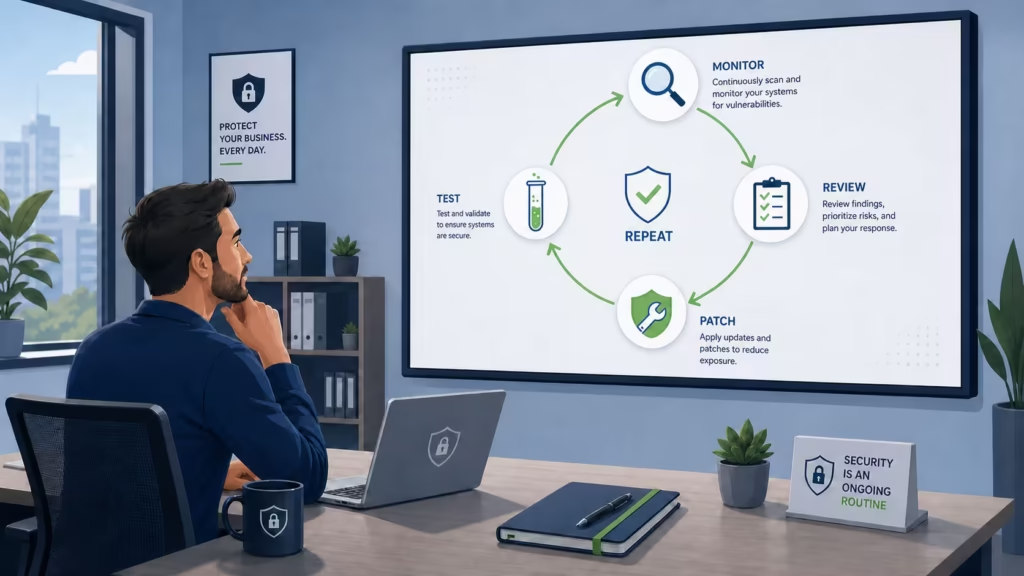
A security program is not just a bigger project. It is a recurring system for monitoring, improving, and validating the controls that matter most. For SMBs, the right program is usually simple, predictable, and focused on the highest-impact areas rather than an endless list of tools and tasks.
At a practical level, that usually means:
- Continuous monitoring and alerting for key systems and identities.
- Recurring reviews of access, patching, backups, and endpoint protection.
- Regular documentation and reporting so leaders can see what changed and what still needs attention.
The goal is not perfection. It is a steady reduction in risk over time, with enough structure to prevent the environment from quietly drifting out of control.
A Rhythm SMBs Can Actually Sustain
The best security program is one that gets done. For most SMBs, that means replacing one large annual push with smaller cycles that are easier to maintain. A simple rhythm might look like this:
- Monthly or bi-monthly checks for alerts, account hygiene, and urgent issues.
- Quarterly focused tasks such as patching, backup testing, privilege cleanup, and policy review.
- Annual planning to reassess risks, budgets, technology priorities, and the overall roadmap.
This approach keeps security aligned with how small businesses actually operate. It also makes budgeting more predictable, because the work is spread across the year instead of arriving as a large and stressful one-time effort
Where to Start First
Security programs work best when they begin with the controls that have the biggest payoff. For many SMBs, that means identity, endpoints, email, backups, and basic governance. These areas are common entry points for phishing, credential theft, ransomware, and support issues, so improving them tends to produce immediate value.
A good first cycle often includes:
- Confirming MFA is enforced on critical accounts.
- Reviewing administrator and shared accounts.
- Testing backups and documenting restore steps.
- Checking patch status on servers, workstations, and key cloud services.
- Cleaning up any unused tools or permissions that have accumulated over time
These are not flashy tasks, but they are the kinds of improvements that quietly make a business harder to attack and easier to support.
How Managed IT Makes It Work
For many SMBs, the biggest obstacle is not knowing what to do—it is having the time, consistency, and internal coverage to do it every month. That is where a managed service partner can help by turning the security program into a service rhythm instead of a series of urgent exceptions.
ExcalTech can help by:
- Monitoring systems and surfacing the issues that need attention.
- Coordinating recurring improvement work so it does not get delayed by busy weeks.
- Documenting changes and helping leadership understand what has been done and what remains on the roadmap.
That support matters because strong security is not just about having the right tools. It is about maintaining those tools, using them consistently, and making sure the business never slips back into “we meant to do that later.”
Turning Projects Into Momentum
The real shift is mental as much as technical. Instead of asking, “What security project should get us through this year?”, ask, “What recurring cycle will make us safer every quarter?” That change creates momentum, reduces stress, and gives leadership a clearer picture of how security is improving over time.
Small businesses do not need to build a giant in-house security operation to get better results. They need a practical plan, a repeatable rhythm, and a partner who helps keep the work moving.
Conclusion
Security works best when it is treated as an ongoing discipline, not a one-time fix. By building a simple and repeatable cycle around monitoring, access, patching, backups, and planning, SMBs can make steady progress without overloading staff or budgets. Over time, those small improvements add up to a stronger, more resilient business.
If your organization is ready to move from one-time security projects to a more consistent program, ExcalTech can help design the right rhythm and keep it on track. A practical, ongoing approach to cybersecurity is one of the best ways to reduce risk without adding unnecessary complexity.